


Opinion piece from Calp – 'Los lunes negros' column
Neighbour. In summer, even working becomes a nuisance.
Or how Calp protects the tourist postcard while squeezing the resident who builds it, repairs it and pays for it.
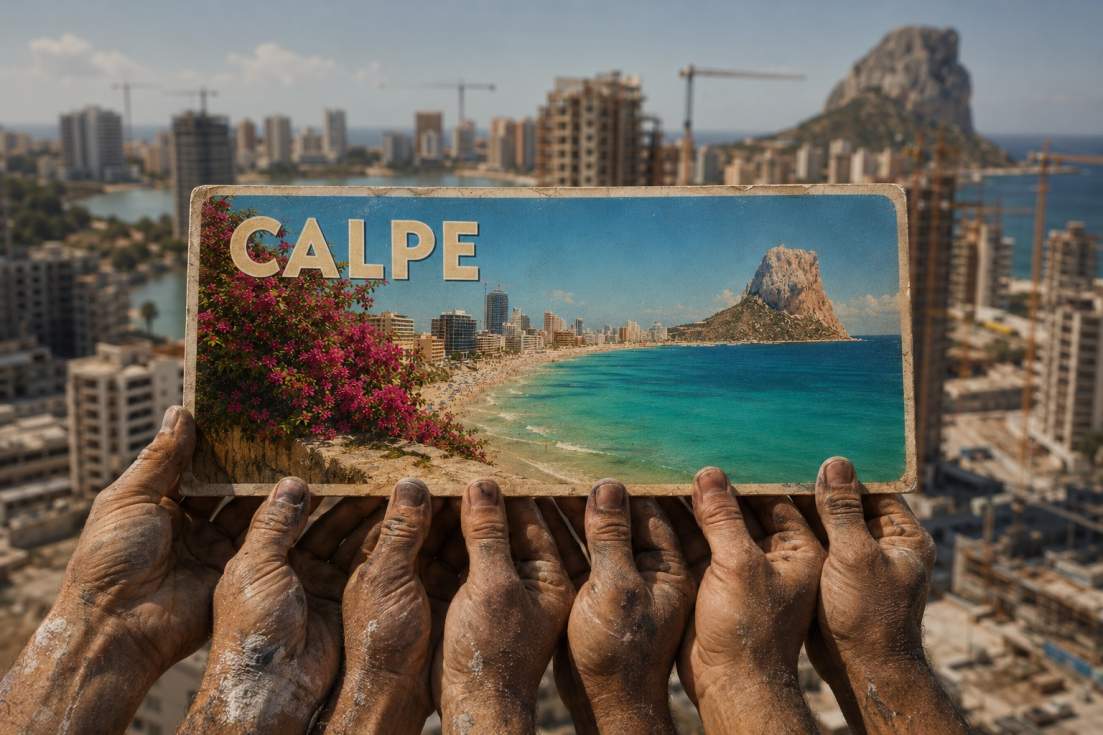
Neighbour,
in Calp there is one kind of noise that bothers more than the rest.
It is not the noise of the giant screen.
It is not the noise of the party.
It is not the noise of the packed terrace.
It is not the noise of summer when it fills the beach, the street and the night.
It is the noise of those who work.
The builder.
The painter.
The plumber.
The electrician.
The maintenance worker.
The self-employed worker who does not have three months to disappear or a guaranteed salary waiting untouched at the end of the month.
The one who climbs back up a ladder when the heat is already falling straight on his face.
That noise, when July arrives, starts to feel unwanted.
But without that noise, neighbour, the postcard is neither built nor maintained.
This is not about defending noise for the sake of noise.
That is why it is important not to confuse noise with whim.
No one here disputes that people need to rest.
No one disputes that living together has to be organised.
No one disputes that building work can be disturbing.
What is being disputed is something else.
It is why the noise of the party is called atmosphere.
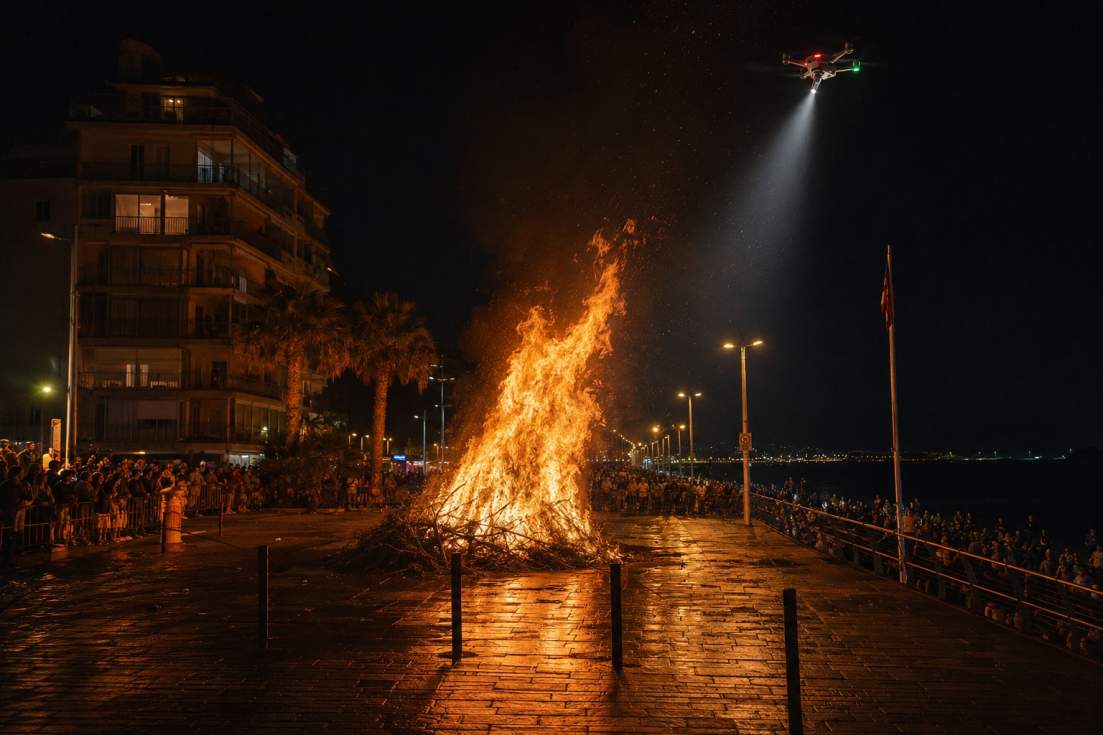
Why the noise of the giant screen is called official programming.
Why the noise of the terrace is called summer.
And why the noise of the worker so quickly becomes a problem.
It is why, when the time comes to share the cost of summer, it almost always falls on the same person.
The one who lives here.
The one who works here.
The one who pays here.
The one who cannot close July and August as if real life also had a low season.
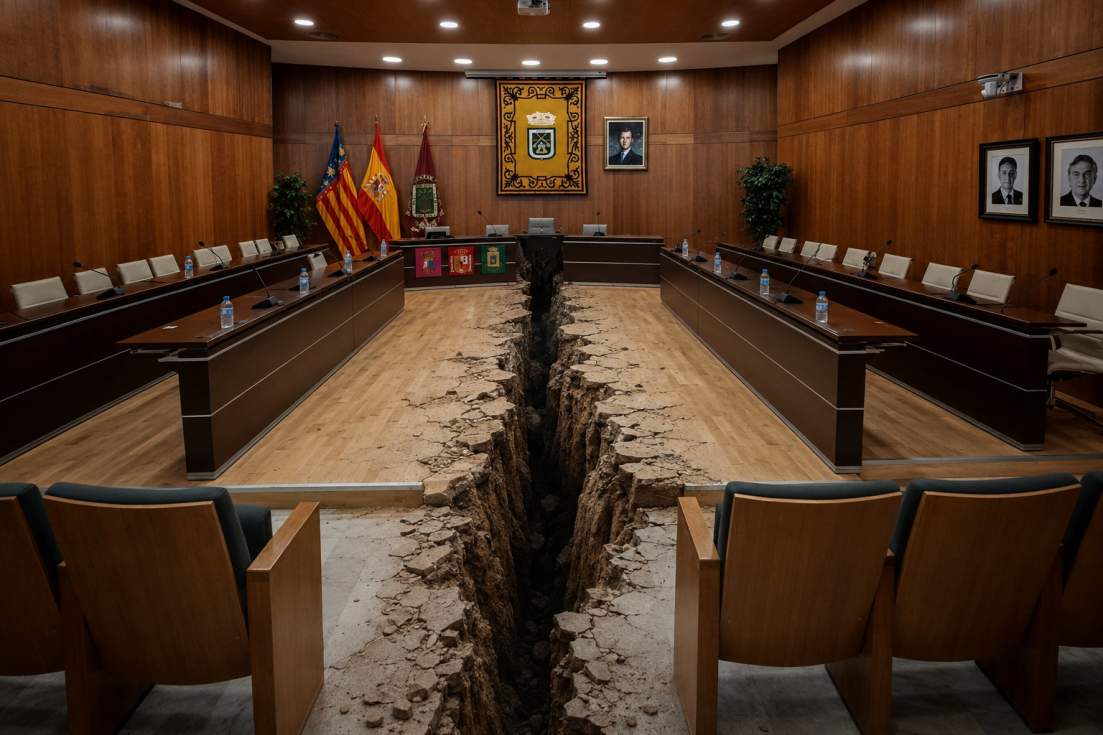
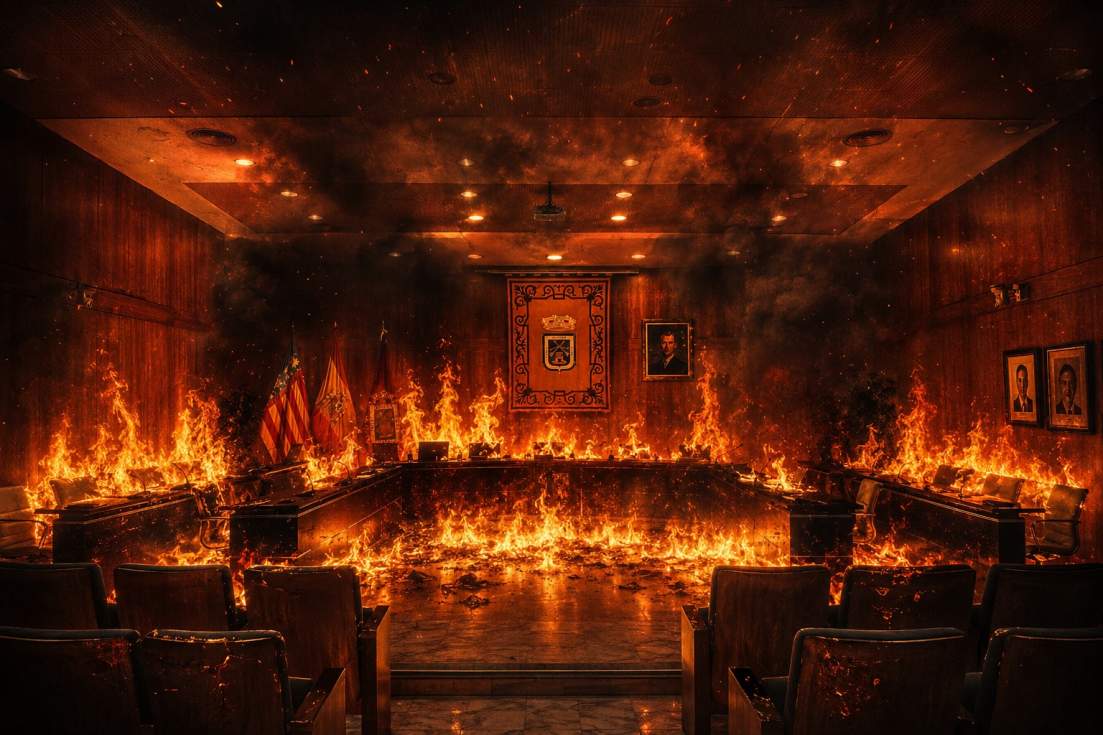
The ordinance looks simple when read from a desk.
July, September, time slots, rest, noise, coexistence.
Everything ordered.
Everything reasonable.
Everything clean.
Until the rule comes down from paper to the street.
Until someone has to put his body into it.
Until a self-employed worker looks at the calendar and understands that August is closing in front of him.
Until a crew splits the day and goes back to work when the sun is falling straight on them.
Until a small company has to explain to its clients that the same town that needs renovations has decided that renovating is a nuisance.
Then the word “coexistence” starts to sound different.
Because regulating is not paralysing.
And organising should not always mean telling the person who works to be quiet.
Because this measure does not speak only about building work.
It speaks about a town that, when summer arrives, seems very clear about whom it must protect and far less clear about whom it is making carry the cost of that protection.
Calp cuts ribbons for the town it sells.
But it cuts working hours for the town that works.
It applauds commerce when it opens.
It celebrates investment when it arrives.
It welcomes the entrepreneur when the ribbon is cut.
It announces funds when they arrive.
It shows promenades when they are projected.
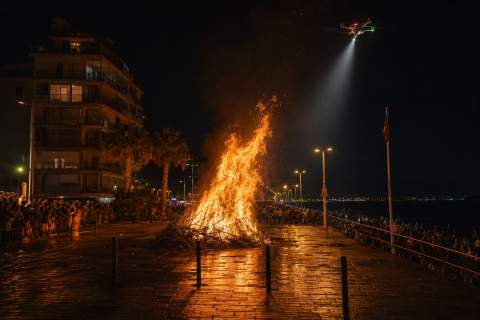
It programmes screens, parties and events when it is time to show summer.
And all of that is fine.
But one question is missing.
The question is what happens when the dust appears, the angle grinder, the ladder, the scaffolding, the breakdown, the renovation or the van of the person who keeps that same town standing.
Then people no longer speak of momentum.
They speak of nuisance.
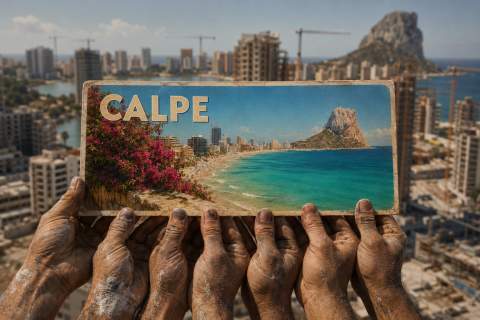
One thing is the town that gets photographed.
Another is the town built by hand.
The tourist postcard needs workers.
But it wants them invisible.
And there is something the photograph should never forget:
that postcard does not build itself.
Summer is not the problem.
The problem is that summer in Calp has a bill.
And it is almost never paid by the person in the photograph.
It is paid by the resident who looks for rent and discovers that living in his own town is beginning to look like a luxury.
It is paid by the self-employed worker who looks at August and sees a hole in the calendar.
It is paid by the worker who splits the day and returns to the scaffolding when others go down to the beach.
It is paid by the small business that listens to speeches about tourism while fighting bills, taxes and margins.
It is paid by the person who lives here when there is no postcard, and also in July, when the postcard once again asks him to be a little less inconvenient.
That is why it should be said clearly.
The problem is not summer.
The problem is that, in Calp, the cost of summer almost always ends up in the same hands:
the hands of those who work, pay and cannot disappear when the season begins.
And when that same resident makes noise in order to work, the town suddenly hears it differently.
There are noises in Calp that get good press.
The noise of the giant screen is called official programming.
The noise of the terrace is called summer.
The noise of the party is called atmosphere.
The noise of music is called culture.
But the noise of the worker changes name quickly.
It is called nuisance.
It is called problem.
It is called restriction.
It is called “not now”.
It is called “not in August”.
And perhaps that is the most uncomfortable truth of the week:
it is not only the noise that bothers.
It is who makes it.
Neighbour,
the postcard does not build itself.
Someone cleans it.
Someone repairs it.
Someone builds it.
Someone pays for it.
Under every happy summer there is someone paying the cost.
And when July arrives, the person who keeps that postcard standing cannot be treated as if he were the unwanted noise inside it.
If in summer even working becomes a nuisance, perhaps the problem is not with the person who works.
Perhaps it is with a town that calls it “coexistence” when it is always making the same people pay the price of the postcard.
And then asks them for silence.
Once read,
it cannot be unread.
Once read,
it cannot be unread.
AVE CALPINVS.

Francisco Ramón Perona García (@fran_rpg)
Jurist. Citizen. Uncomfortable.

Neighbour,
in Calp there is one kind of noise that bothers more than the rest.
It is not the noise of the giant screen.
It is not the noise of the party.
It is not the noise of the packed terrace.
It is not the noise of summer when it fills the beach, the street and the night.
It is the noise of those who work.
The builder.
The painter.
The plumber.
The electrician.
The maintenance worker.
The self-employed worker who does not have three months to disappear or a guaranteed salary waiting untouched at the end of the month.
The one who climbs back up a ladder when the heat is already falling straight on his face.
That noise, when July arrives, starts to feel unwanted.
But without that noise, neighbour, the postcard is neither built nor maintained.
This is not about defending noise for the sake of noise.
That is why it is important not to confuse noise with whim.
No one here disputes that people need to rest.
No one disputes that living together has to be organised.
No one disputes that building work can be disturbing.
What is being disputed is something else.
It is why the noise of the party is called atmosphere.
Why the noise of the giant screen is called official programming.
Why the noise of the terrace is called summer.
And why the noise of the worker so quickly becomes a problem.
It is why, when the time comes to share the cost of summer, it almost always falls on the same person.
The one who lives here.
The one who works here.
The one who pays here.
The one who cannot close July and August as if real life also had a low season.
The ordinance looks simple when read from a desk.
July, September, time slots, rest, noise, coexistence.
Everything ordered.
Everything reasonable.
Everything clean.
Until the rule comes down from paper to the street.
Until someone has to put his body into it.
Until a self-employed worker looks at the calendar and understands that August is closing in front of him.
Until a crew splits the day and goes back to work when the sun is falling straight on them.
Until a small company has to explain to its clients that the same town that needs renovations has decided that renovating is a nuisance.
Then the word “coexistence” starts to sound different.
Because regulating is not paralysing.
And organising should not always mean telling the person who works to be quiet.
Because this measure does not speak only about building work.
It speaks about a town that, when summer arrives, seems very clear about whom it must protect and far less clear about whom it is making carry the cost of that protection.
Calp cuts ribbons for the town it sells.
But it cuts working hours for the town that works.
It applauds commerce when it opens.
It celebrates investment when it arrives.
It welcomes the entrepreneur when the ribbon is cut.
It announces funds when they arrive.
It shows promenades when they are projected.
It programmes screens, parties and events when it is time to show summer.
And all of that is fine.
But one question is missing.
The question is what happens when the dust appears, the angle grinder, the ladder, the scaffolding, the breakdown, the renovation or the van of the person who keeps that same town standing.
Then people no longer speak of momentum.
They speak of nuisance.
One thing is the town that gets photographed.
Another is the town built by hand.
The tourist postcard needs workers.
But it wants them invisible.
And there is something the photograph should never forget:
that postcard does not build itself.
Summer is not the problem.
The problem is that summer in Calp has a bill.
And it is almost never paid by the person in the photograph.
It is paid by the resident who looks for rent and discovers that living in his own town is beginning to look like a luxury.
It is paid by the self-employed worker who looks at August and sees a hole in the calendar.
It is paid by the worker who splits the day and returns to the scaffolding when others go down to the beach.
It is paid by the small business that listens to speeches about tourism while fighting bills, taxes and margins.
It is paid by the person who lives here when there is no postcard, and also in July, when the postcard once again asks him to be a little less inconvenient.
That is why it should be said clearly.
The problem is not summer.
The problem is that, in Calp, the cost of summer almost always ends up in the same hands:
the hands of those who work, pay and cannot disappear when the season begins.
And when that same resident makes noise in order to work, the town suddenly hears it differently.
There are noises in Calp that get good press.
The noise of the giant screen is called official programming.
The noise of the terrace is called summer.
The noise of the party is called atmosphere.
The noise of music is called culture.
But the noise of the worker changes name quickly.
It is called nuisance.
It is called problem.
It is called restriction.
It is called “not now”.
It is called “not in August”.
And perhaps that is the most uncomfortable truth of the week:
it is not only the noise that bothers.
It is who makes it.
Neighbour,
the postcard does not build itself.
Someone cleans it.
Someone repairs it.
Someone builds it.
Someone pays for it.
Under every happy summer there is someone paying the cost.
And when July arrives, the person who keeps that postcard standing cannot be treated as if he were the unwanted noise inside it.
If in summer even working becomes a nuisance, perhaps the problem is not with the person who works.
Perhaps it is with a town that calls it “coexistence” when it is always making the same people pay the price of the postcard.
And then asks them for silence.
Once read,
it cannot be unread.
Once read,
it cannot be unread.
AVE CALPINVS.
Francisco Ramón Perona García (@fran_rpg)
Jurist. Citizen. Uncomfortable.





















Normas de participación
Esta es la opinión de los lectores, no la de este medio.
Nos reservamos el derecho a eliminar los comentarios inapropiados.
La participación implica que ha leído y acepta las Normas de Participación y Política de Privacidad
Normas de Participación
Política de privacidad
Por seguridad guardamos tu IP
216.73.216.176