

Opinion piece from Calp – 'Los lunes negros' column
Neighbour. The waste tax went down. The shame went up.
Or how a partial reduction ended up proving that the tax went down, but the method did not.
Neighbour,
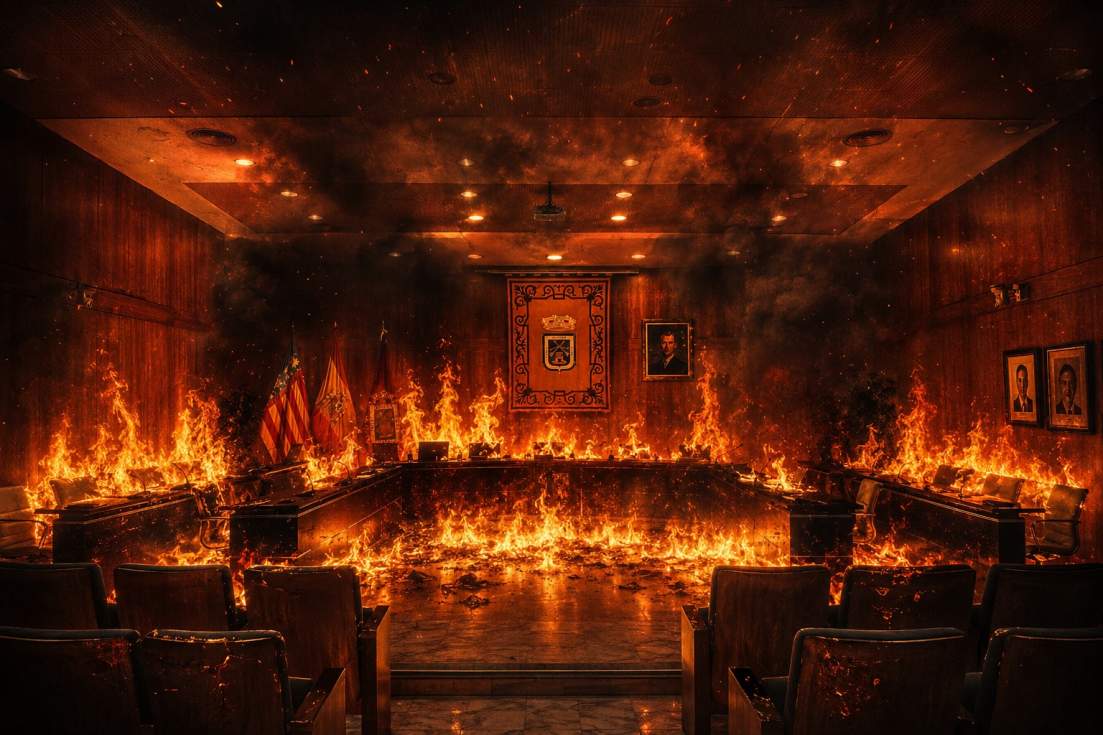
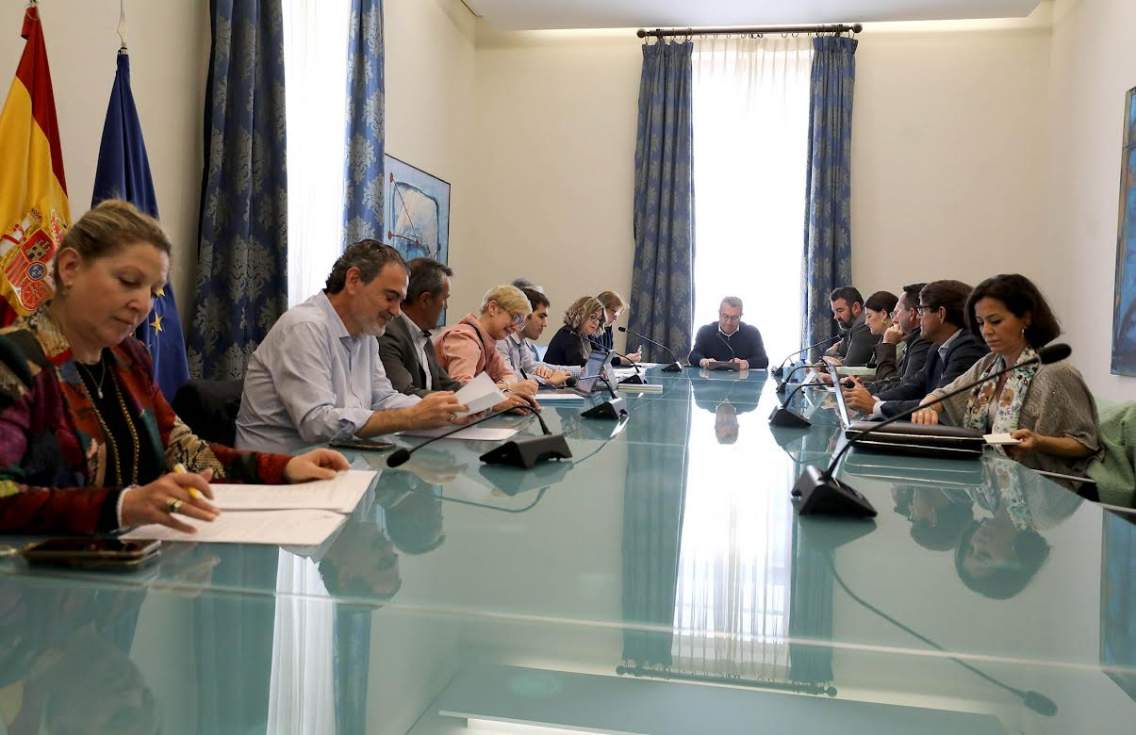
there was a council meeting where the waste tax was supposed to go down.
And it did.
And the fact that it went down was good.
Because paying less always matters.
But while one part of the bill was going down, something far harder to justify was going up.
The shame.
The shame of seeing a necessary measure turned into a battlefield.
The embarrassment of watching how, even when residents are allowed to pay a little less, those in power still find a way to fight over who gets the credit, who carries the blame and who gets cast as the enemy of the people.
The waste tax went down.
The institution did not.
Because this week, the waste tax was not really about waste.
It was ammunition.
A bill that had weighed on residents for a full year returned to the council chamber not as a calm act of repair, but as a political weapon.
The government wanted to turn the reduction into a victory.
The opposition wanted to turn the meeting into an accusation.
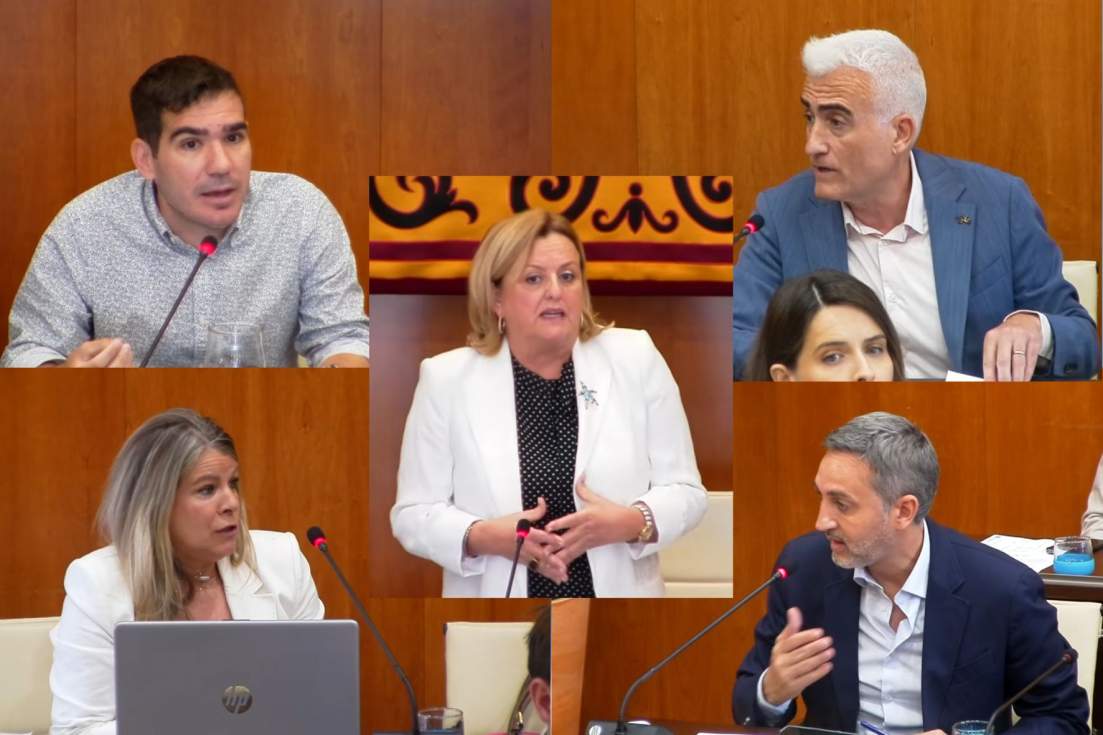
The non-attached councillor once again became the fault line.
And residents, once again, were left in the middle.
Their bill was used to measure political strength.
Their relief became an argument.
And their need to pay less ended up wrapped in the same fight that has been degrading the institution for months.
That is what matters.
Not that the tax went down.
What matters is that even a reduction was used as a trench.
The week was almost perfect for anyone who wanted to understand the method.
On Monday, the bill turned one year old.
On Wednesday, those in power brought it back onto the stage.
On Thursday, they wrapped it in posters, percentages and messages designed to put everyone against the wall.
And on Friday, they threw it into the council chamber like someone throwing a stone onto a table that was already cracked.
Then came the interruptions.
The accusations.
The heavy words.
The word “turncoat”.
The word “dictator”.
The boycott.
The absence.
The suspicion.
The threat of a legal challenge.
The feeling that residents had entered the council meeting through their bill and had left it, once again, turned into an excuse.
Not a calm correction.
Not a repair.
A fight to control who could stand before the people as saviour, victim or culprit.
Do not confuse a reduction with a repair.
A reduction means lowering a figure.
A repair means acknowledging why the burden was imposed in the first place.
A repair means accepting the political damage of having made residents carry, for a year, a charge that everyone now admits could be eased.
A repair means not turning that agreement into a public trap for anyone who refuses to buy the whole package.
What we saw this week was not repair.
It was an operation.
First they charged.
Then they waited.
Then they announced the reduction.
Then they applied pressure.
And finally, they turned the resident’s relief into a battle over who should be blamed.
That does not clean the method.
It confirms it.
Because when those in power need to turn a reduction into a campaign of self-absolution, it is because they know the bill still stands as an accusation.
The waste tax went down.
But arrogance did not.
Calculation did not.
Theatre did not.
The need to point to an enemy before properly explaining the measure did not.
That miserable habit of turning residents into an excuse, a hostage, a banner and an alibi did not.
The bill may go down a little.
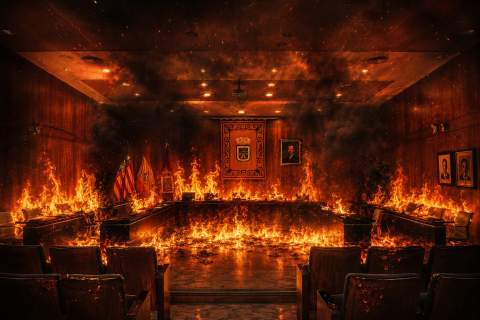
But the dignity of the council chamber was left on the floor.
And the people pay for that too.
Because institutional degradation does not appear on a tax bill.
It does not arrive by direct debit.
It does not come with a barcode.
But it is paid all the same.
It is paid in lost trust.
In exhaustion.
In shame.
In that increasingly widespread feeling that Calp does not have a waste problem.
It has a problem with the way it is being governed.
And in the middle of all that stood the resident.
Again.
Not as the recipient of a repair, but as an argument used by one side against the other.
The resident who paid for a year.
The resident who watched the tax become a poster, a percentage, a threat, a shouting match and a headline.
He asked to pay less.
He asked for justice.
He asked that, if something was to be corrected, it be corrected with decency.
But the council meeting gave him something else.
It gave him shouting.
It gave him reproaches.
It gave him labels.
It gave him an old and tired image: politicians fighting over the narrative while the citizen simply wanted living in Calp to be a little less expensive.
And that is the real humiliation.
That even when residents gain something, they have to watch it being turned into a spectacle.
That even when a tax goes down, the feeling grows that the town is still being used.
Used to charge, to justify, to pressure, to accuse and, in the end, to pose.
And then, once again, sent home with a corrected bill and even more broken trust.
Neighbour,
the waste tax went down.
That is good.
But the method was still there.
In the poster.
In the pressure.
In the accusation.
In the shouting.
A figure went down.
The way of ruling did not.
And while that continues, Calp will not only have a problem with taxes.
It will have a problem with government.
Once read,
it cannot be unread.
AVE CALPINVS.

Francisco Ramón Perona García (@fran_rpg)
Jurist. Citizen. Uncomfortable.

Neighbour,
there was a council meeting where the waste tax was supposed to go down.
And it did.
And the fact that it went down was good.
Because paying less always matters.
But while one part of the bill was going down, something far harder to justify was going up.
The shame.
The shame of seeing a necessary measure turned into a battlefield.
The embarrassment of watching how, even when residents are allowed to pay a little less, those in power still find a way to fight over who gets the credit, who carries the blame and who gets cast as the enemy of the people.
The waste tax went down.
The institution did not.
Because this week, the waste tax was not really about waste.
It was ammunition.
A bill that had weighed on residents for a full year returned to the council chamber not as a calm act of repair, but as a political weapon.
The government wanted to turn the reduction into a victory.
The opposition wanted to turn the meeting into an accusation.
The non-attached councillor once again became the fault line.
And residents, once again, were left in the middle.
Their bill was used to measure political strength.
Their relief became an argument.
And their need to pay less ended up wrapped in the same fight that has been degrading the institution for months.
That is what matters.
Not that the tax went down.
What matters is that even a reduction was used as a trench.
The week was almost perfect for anyone who wanted to understand the method.
On Monday, the bill turned one year old.
On Wednesday, those in power brought it back onto the stage.
On Thursday, they wrapped it in posters, percentages and messages designed to put everyone against the wall.
And on Friday, they threw it into the council chamber like someone throwing a stone onto a table that was already cracked.
Then came the interruptions.
The accusations.
The heavy words.
The word “turncoat”.
The word “dictator”.
The boycott.
The absence.
The suspicion.
The threat of a legal challenge.
The feeling that residents had entered the council meeting through their bill and had left it, once again, turned into an excuse.
Not a calm correction.
Not a repair.
A fight to control who could stand before the people as saviour, victim or culprit.
Do not confuse a reduction with a repair.
A reduction means lowering a figure.
A repair means acknowledging why the burden was imposed in the first place.
A repair means accepting the political damage of having made residents carry, for a year, a charge that everyone now admits could be eased.
A repair means not turning that agreement into a public trap for anyone who refuses to buy the whole package.
What we saw this week was not repair.
It was an operation.
First they charged.
Then they waited.
Then they announced the reduction.
Then they applied pressure.
And finally, they turned the resident’s relief into a battle over who should be blamed.
That does not clean the method.
It confirms it.
Because when those in power need to turn a reduction into a campaign of self-absolution, it is because they know the bill still stands as an accusation.
The waste tax went down.
But arrogance did not.
Calculation did not.
Theatre did not.
The need to point to an enemy before properly explaining the measure did not.
That miserable habit of turning residents into an excuse, a hostage, a banner and an alibi did not.
The bill may go down a little.
But the dignity of the council chamber was left on the floor.
And the people pay for that too.
Because institutional degradation does not appear on a tax bill.
It does not arrive by direct debit.
It does not come with a barcode.
But it is paid all the same.
It is paid in lost trust.
In exhaustion.
In shame.
In that increasingly widespread feeling that Calp does not have a waste problem.
It has a problem with the way it is being governed.
And in the middle of all that stood the resident.
Again.
Not as the recipient of a repair, but as an argument used by one side against the other.
The resident who paid for a year.
The resident who watched the tax become a poster, a percentage, a threat, a shouting match and a headline.
He asked to pay less.
He asked for justice.
He asked that, if something was to be corrected, it be corrected with decency.
But the council meeting gave him something else.
It gave him shouting.
It gave him reproaches.
It gave him labels.
It gave him an old and tired image: politicians fighting over the narrative while the citizen simply wanted living in Calp to be a little less expensive.
And that is the real humiliation.
That even when residents gain something, they have to watch it being turned into a spectacle.
That even when a tax goes down, the feeling grows that the town is still being used.
Used to charge, to justify, to pressure, to accuse and, in the end, to pose.
And then, once again, sent home with a corrected bill and even more broken trust.
Neighbour,
the waste tax went down.
That is good.
But the method was still there.
In the poster.
In the pressure.
In the accusation.
In the shouting.
A figure went down.
The way of ruling did not.
And while that continues, Calp will not only have a problem with taxes.
It will have a problem with government.
Once read,
it cannot be unread.
AVE CALPINVS.
Francisco Ramón Perona García (@fran_rpg)
Jurist. Citizen. Uncomfortable.














Normas de participación
Esta es la opinión de los lectores, no la de este medio.
Nos reservamos el derecho a eliminar los comentarios inapropiados.
La participación implica que ha leído y acepta las Normas de Participación y Política de Privacidad
Normas de Participación
Política de privacidad
Por seguridad guardamos tu IP
216.73.216.145