


Opinion piece from Calp – 'Los lunes negros' column
Neighbor. They do not govern the problem: they adapt you to it.
Or how poor management ends up turning the neighbor into the adjustment.
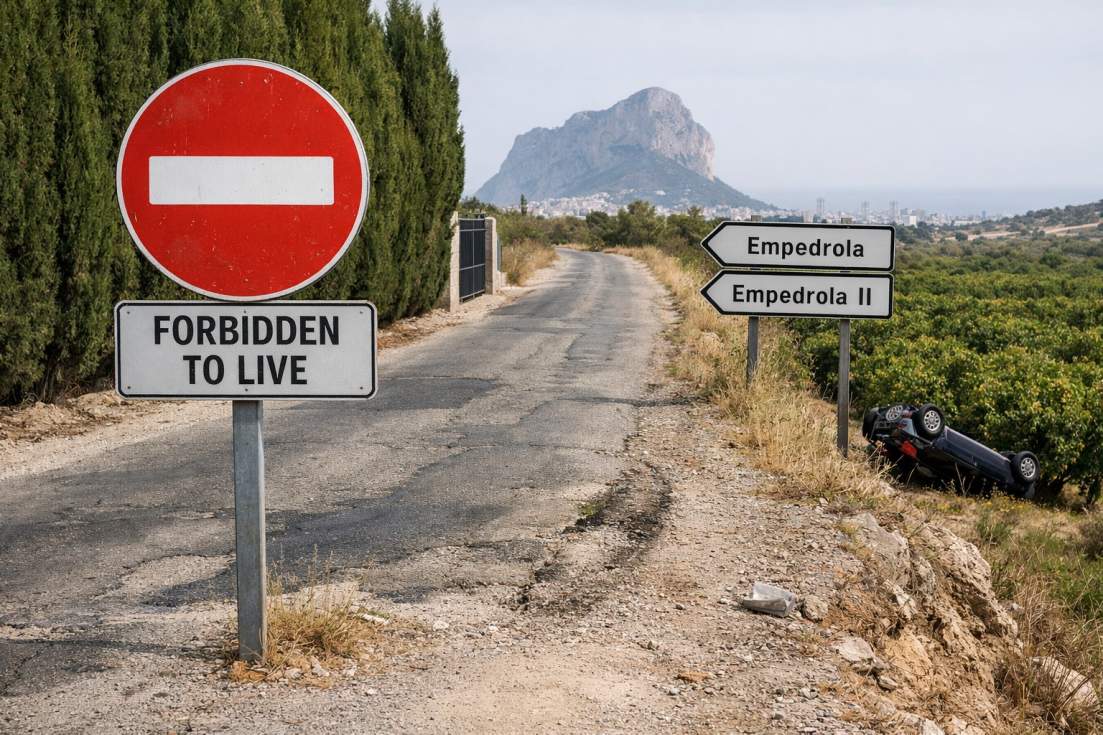
Neighbor,
there is a very clear way to know when a government has stopped governing well.
Not when it makes mistakes.
That can happen.
Not when it arrives late.
That too.
But when, instead of correcting the problem, it begins to correct you.
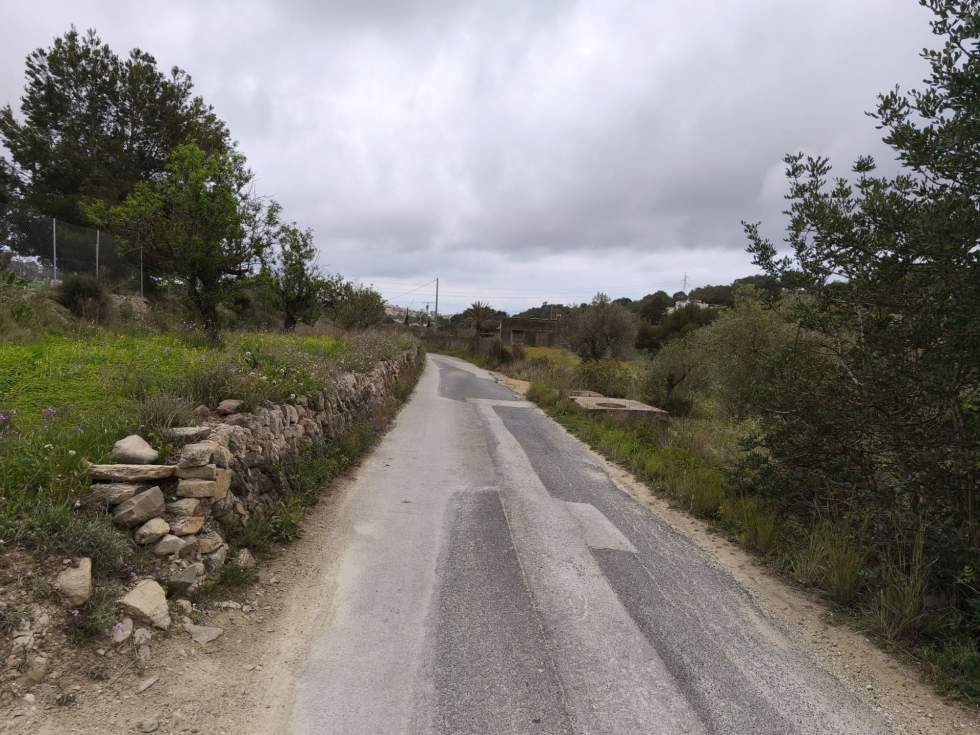
When the road is bad, but it is not fixed.
When the risk exists, but it is not confronted.
When the inconvenience grows, but it is not resolved.
And then comes the power’s solution:
not to touch the failure,
to touch the neighbor.
They do not fix the road.
They change your life so they do not have to fix it.
That is exactly what is beginning to be seen in Calp when an administration stops thinking of the city as a responsibility and starts thinking of it as the management of harm.
If the access is narrow and dangerous, they do not widen it.
If traffic has increased, they do not adapt the infrastructure.
If the risk has already shown itself, they do not confront the root.
They do something else.
They change the direction.
They lengthen the detour.
They ask for patience.
And they call it a solution.
But a solution that leaves the problem untouched is not a solution.
It is a way of shifting the cost.
And in Calp it is beginning to give the impression that this is already a habit of government: when they do not know how to correct what is wrong, they turn the neighbor into the movable part of the system.
That applies to a road.
But not only to a road.
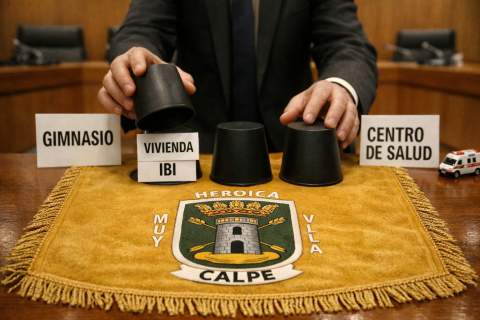
It applies to a house that is demolished even though the town says it does not fit.
It applies to an investment that shines more than it sustains.
It applies to a city where power seems more willing to administer the effect than to resolve the cause.
And that is where the camí vell de Benissa stops being a local incident and becomes a political test.
Because we are not talking only about traffic.
We are talking about respect.
Respect for the neighbor’s time.
Respect for their safety.
Respect for their routine.
Respect for a basic idea: an administration exists to make the city habitable, not to teach you how to endure it better.
The suburban neighbor does not live off the sign.
Does not live off the video.
Does not live off the pleasant headline.
Lives off access, the route, the electricity, the asphalt, the risk and the way home.
And on top of that, pays.
Pays high property tax.
Pays the waste tax.
Pays exactly.
Pays without narrative.
Pays without a photo.
That is why the wound here is so clear.
Because when the one who sustains the most receives in return a solution that consists of restricting their life so as not to properly confront the failure, the message is very serious:
your time is not a priority;
your comfort is not a priority;
your practical dignity is not a priority.
The priority is simply to get by.
And getting by is not governing.
Governing is not putting up a sign where a decision was missing.
Governing is not turning poor foresight into the user’s obedience.
Governing is assuming the cost of truly correcting things.
The other way is cheaper for the one in command.
But much more expensive for the one who lives there.
Because power only sees a reordering of traffic.
The neighbor sees lost time, detour and poorly resolved danger.
And there the exact word appears, Neighbor: sacrifice.
They do not sacrifice you in grand ways.
They sacrifice you in small ways.
In the detour,
in the waiting,
in the worse access,
in the solution that does not fix.
That is why this story matters so much.
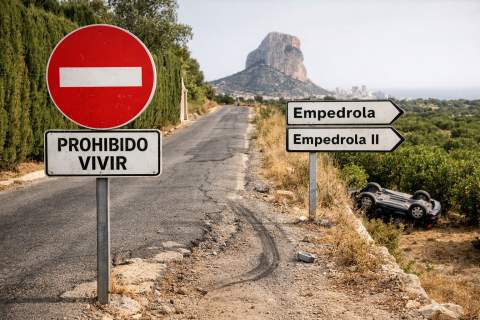
Because it is not only about Empedrola.
It is about the moment when a city begins to grow used to a form of rule in which public mistakes are not corrected: they are redistributed.
And then the question is no longer technical.
It is moral.
What is a government for if, when the problem touches real life, it does not solve it, but instead reorganizes the burden of the one who suffers it?
That is not authority.
That is office comfort.
And a comfortable power usually has a very poor imagination:
if it does not know how to widen the road, it narrows the neighbor’s freedom.
If it does not know how to correct the root, it regulates the consequence.
That is why this story connects with too many others.
With the development that waits.
With the streetlight that takes too long.
With the safety you do not feel.
Everything forms part of the same language.
The language of an administration that, when it fails to rise to the level of the problem, stops serving the neighbor and begins to teach them how to live with its insufficiency.
Neighbor,
do not confuse circulation with solution.
Do not confuse regulation with government.
Do not confuse a patch with respect.
Because when a road remains bad and only the direction changes, nothing has been resolved.
It has only been decided who pays for the inconvenience.
And in Calp an ugly truth is beginning to show:
when management fails, the bill does not always arrive in money.
Sometimes it arrives in time.
In fear.
In detour.
In enforced patience.
In a diminished life.
They do not govern the problem.
They adapt you to it.
And a city that accepts that for too long ends up learning to call normal what was only a bad way of ruling.
Once read, it cannot be unread.
AVE CALPINVS.

Francisco Ramón Perona García (@fran_rpg)
Jurist. Citizen. Uncomfortable.

Neighbor,
there is a very clear way to know when a government has stopped governing well.
Not when it makes mistakes.
That can happen.
Not when it arrives late.
That too.
But when, instead of correcting the problem, it begins to correct you.
When the road is bad, but it is not fixed.
When the risk exists, but it is not confronted.
When the inconvenience grows, but it is not resolved.
And then comes the power’s solution:
not to touch the failure,
to touch the neighbor.
They do not fix the road.
They change your life so they do not have to fix it.
That is exactly what is beginning to be seen in Calp when an administration stops thinking of the city as a responsibility and starts thinking of it as the management of harm.
If the access is narrow and dangerous, they do not widen it.
If traffic has increased, they do not adapt the infrastructure.
If the risk has already shown itself, they do not confront the root.
They do something else.
They change the direction.
They lengthen the detour.
They ask for patience.
And they call it a solution.
But a solution that leaves the problem untouched is not a solution.
It is a way of shifting the cost.
And in Calp it is beginning to give the impression that this is already a habit of government: when they do not know how to correct what is wrong, they turn the neighbor into the movable part of the system.
That applies to a road.
But not only to a road.
It applies to a house that is demolished even though the town says it does not fit.
It applies to an investment that shines more than it sustains.
It applies to a city where power seems more willing to administer the effect than to resolve the cause.
And that is where the camí vell de Benissa stops being a local incident and becomes a political test.
Because we are not talking only about traffic.
We are talking about respect.
Respect for the neighbor’s time.
Respect for their safety.
Respect for their routine.
Respect for a basic idea: an administration exists to make the city habitable, not to teach you how to endure it better.
The suburban neighbor does not live off the sign.
Does not live off the video.
Does not live off the pleasant headline.
Lives off access, the route, the electricity, the asphalt, the risk and the way home.
And on top of that, pays.
Pays high property tax.
Pays the waste tax.
Pays exactly.
Pays without narrative.
Pays without a photo.
That is why the wound here is so clear.
Because when the one who sustains the most receives in return a solution that consists of restricting their life so as not to properly confront the failure, the message is very serious:
your time is not a priority;
your comfort is not a priority;
your practical dignity is not a priority.
The priority is simply to get by.
And getting by is not governing.
Governing is not putting up a sign where a decision was missing.
Governing is not turning poor foresight into the user’s obedience.
Governing is assuming the cost of truly correcting things.
The other way is cheaper for the one in command.
But much more expensive for the one who lives there.
Because power only sees a reordering of traffic.
The neighbor sees lost time, detour and poorly resolved danger.
And there the exact word appears, Neighbor: sacrifice.
They do not sacrifice you in grand ways.
They sacrifice you in small ways.
In the detour,
in the waiting,
in the worse access,
in the solution that does not fix.
That is why this story matters so much.
Because it is not only about Empedrola.
It is about the moment when a city begins to grow used to a form of rule in which public mistakes are not corrected: they are redistributed.
And then the question is no longer technical.
It is moral.
What is a government for if, when the problem touches real life, it does not solve it, but instead reorganizes the burden of the one who suffers it?
That is not authority.
That is office comfort.
And a comfortable power usually has a very poor imagination:
if it does not know how to widen the road, it narrows the neighbor’s freedom.
If it does not know how to correct the root, it regulates the consequence.
That is why this story connects with too many others.
With the development that waits.
With the streetlight that takes too long.
With the safety you do not feel.
Everything forms part of the same language.
The language of an administration that, when it fails to rise to the level of the problem, stops serving the neighbor and begins to teach them how to live with its insufficiency.
Neighbor,
do not confuse circulation with solution.
Do not confuse regulation with government.
Do not confuse a patch with respect.
Because when a road remains bad and only the direction changes, nothing has been resolved.
It has only been decided who pays for the inconvenience.
And in Calp an ugly truth is beginning to show:
when management fails, the bill does not always arrive in money.
Sometimes it arrives in time.
In fear.
In detour.
In enforced patience.
In a diminished life.
They do not govern the problem.
They adapt you to it.
And a city that accepts that for too long ends up learning to call normal what was only a bad way of ruling.
Once read, it cannot be unread.
AVE CALPINVS.
Francisco Ramón Perona García (@fran_rpg)
Jurist. Citizen. Uncomfortable.














Normas de participación
Esta es la opinión de los lectores, no la de este medio.
Nos reservamos el derecho a eliminar los comentarios inapropiados.
La participación implica que ha leído y acepta las Normas de Participación y Política de Privacidad
Normas de Participación
Política de privacidad
Por seguridad guardamos tu IP
216.73.216.230